- Growth
-
-
Growth Consultation
 Growth Strategy and Planning
It is an action plan that helps launch a product at the right time and ensures it reaches the right audience
 Inbound Growth
Improve brand awareness, lead generation, and conversion rate with this proven methodology
 Growth Hacking
Experience rapid experimentation to hack the best ways of growth for different aspects of your business
 Fractional CMO
Strategic marketing leadership without full-time costs — scale faster with a Fractional CMO
-
Growth Execution
 Search Engine Optimization
Boosts website traffic by encouraging the interested audience to land naturally on your website
 Paid and Performance Marketing
Boost the visibility of your advertisements and attract relevant customers with Paid Search Marketing
 Social Media Marketing
Explore the power of Social Media Marketing to build a solid online presence for your brand
 Demand Generation
Fuel sustainable growth with targeted campaigns, qualified pipelines, and measurable ROI from demand generation
-
AI Driven Growth
 AI-Driven Growth Strategy
Experience the power of AI to create data-backed growth strategies that optimise performance.
 AI-Native Workflow Automation
Enhance creativity and efficiency with AI-driven solutions tailored to craft engaging, high-quality content.
 Generative Engine Optimization
Optimize your website for generative Al engines to boost speed, efficiency, and scalable growth.
 Grove — AI Growth Strategist
Optimize your website for generative Al engines to boost speed, efficiency, and scalable growth.
-
-
- Resources
-
-

Get FREE access to multiple digital marketing calculators that help curate successful digital marketing strategies

Discover upGrowth’s AI tools to optimize marketing, boost performance, and drive effortless business growth.
 AI Automation
Automate content, video, audio, and marketing workflows using powerful, end-to-end AI tools
Budget CalculatorQuick tools to estimate and structure your digital marketing budgets with confidence.
 Framework
Explore complete strategic frameworks that guide your growth from GTM plans to fintech marketing playbooks.
-
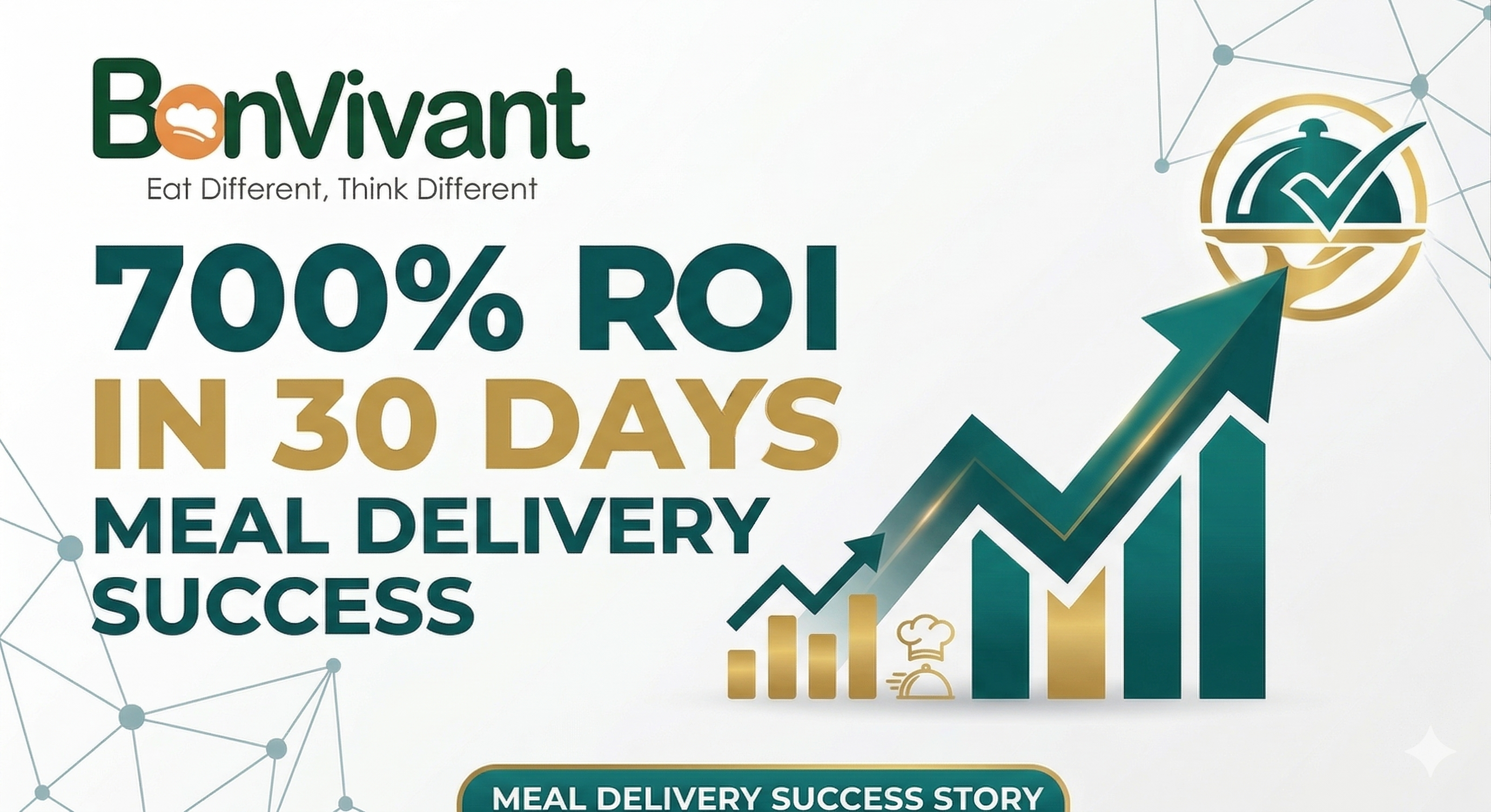
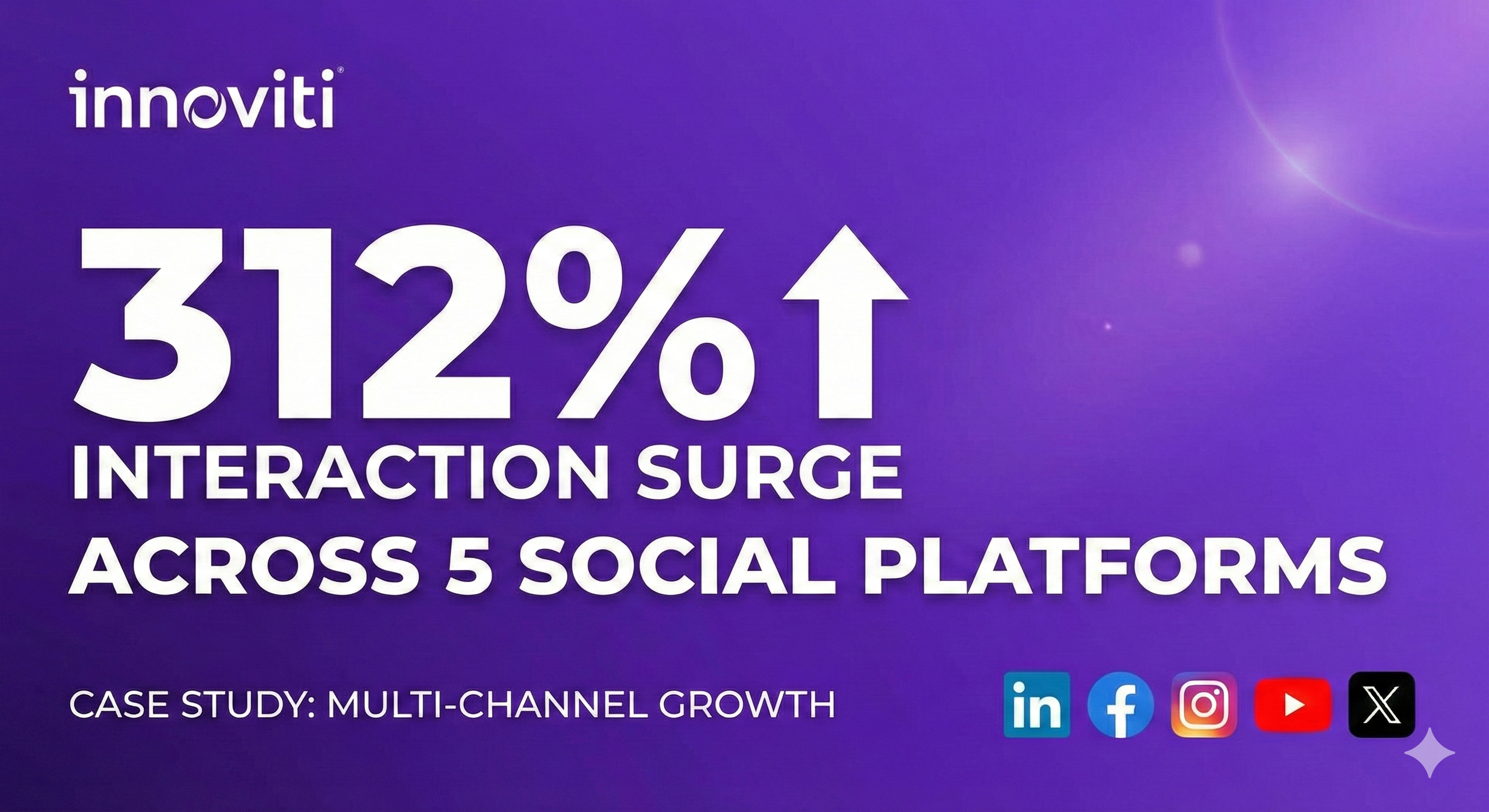
 Case Study
Which digital marketing strategies helped us scale up businesses belonging to different sectors?
 Tools
ToolsupGrowth offers digital marketing tools to help digital marketers to stay at the top of their marketing game
 Growth Tools
upGrowth offers growth tools to help digital marketers stay ahead and drive consistent, data-backed business results
 Decision Tree
A visual guide to map customer journeys and campaign decisions for smarter marketing outcomes.
 Compare
Spot the differences that matter, side-by-side insights to make smarter decisions faster.
-
 Custom GPT's
Unlock business growth with our Custom GPT Tools. Experience tailored solutions for enhanced productivity.
 AI Answer Gap
See how your brand appears in AI search and uncover gaps costing you visibility and opportunities.
 Offer
OfferA compelling deal or incentive designed to attract, engage, and convert your audience effectively.
 Webstories
Engaging, full-screen stories that capture attention and boost interaction on your website
ROI SimulatorsForecast the profitability of an investment before committing funds
-
 Quizzes
Test your digital marketing knowledge and skills with these quick yet brain-racking quizzes
 Blog
BlogWhat’s new & trending in the digital marketing arena? Stay up-to-date with the latest trends with these good reads
 AI-powered Apps
Explore our suite of AI-powered marketing apps designed to simplify strategy, SEO, and growth decisions
 Social Media Tools
Smart tools to plan, manage, and optimize your social media campaigns with ease.
 Agency Fit Score
Free 4-minute diagnostic for CMOs. Score your company across four agency archetypes including AI-native operator. Get a personalized recommendation.
-
-