Contributors:
Amol Ghemud Published: November 6, 2024
Summary
upGrowth alerts readers about a fake website impersonating their brand, which aims to deceive people for financial gain and data theft. The blog advises users to verify URLs, ensure HTTPS security, and avoid sharing sensitive information. upGrowth is actively combating the scam with legal actions and cybersecurity measures, and they encourage the community to report suspicious activity to help prevent similar fraud.
In This Article
Share On:
At upGrowth, we prioritise the security and trust of our clients, partners, and community. Unfortunately, a fraudulent website is attempting to impersonate our brand, misleading individuals with deceptive information and potentially harmful requests.
This fake website, accessible at https://upgrowth-user.com/, is not associated with upGrowth in any way and is a clear attempt to exploit the reputation we’ve worked hard to build.
In response to this alarming issue, we’re taking all necessary steps to protect our brand and ensure our community stays informed and safe. We’re committed to fighting these scams, but we need your help to spread awareness and stay vigilant. In this blog post, we’ll outline how to recognise these fraudulent attempts, steps to protect yourself, and how upGrowth is working to combat these scams.
The Impersonation Scam: What You Need to Know
Scammers have created a fraudulent website, accessible at https://upgrowth-user.com, designed to impersonate upGrowth and deceive visitors. This fake site mimics our branding and misleads people into believing they interact with upGrowth. Our clients and partners may encounter this scam while seeking our services, making it especially important to stay vigilant.
This impersonation scam can have serious consequences for anyone unknowingly engaging with it. Here are some common risks associated with these types of scams:
Financial Loss: Fraudulent sites often ask for payment or financial information under the guise of providing services. People who pay these scammers may lose their funds without receiving legitimate services.
Data Theft: Scam websites may request sensitive personal or business information, which can then be used for further fraudulent activities or sold to other malicious actors. Providing information on a fake site can seriously risk your privacy and security.
Reputation Damage: For clients and partners, engaging with a fake site could lead to misinformation or negative experiences that damage their perception of upGrowth. We are committed to preventing this, but we need your help recognising and reporting suspicious activity.
How to Recognise Our Official Website
To protect yourself, remember that upGrowth’s only official website is https://upgrowth.in. Here are a few quick ways to confirm you are on the legitimate site:
Check the URL: upGrowth’s official URL is www.upgrowth.in. Be cautious of any variations, extra characters, or unusual domain endings.
Look for HTTPS Security: Our official website uses HTTPS encryption, which you can see as a padlock icon in your browser’s address bar.
Contact Information: upGrowth’s contact details, such as email addresses and phone numbers, will only be found on our official domain or verified social media profiles.
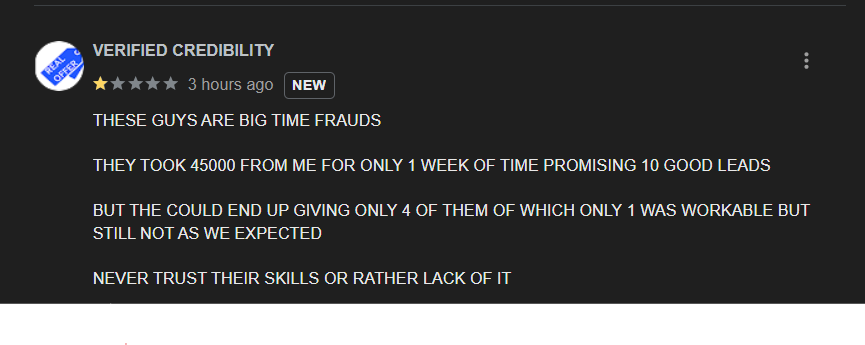
Fake review falsely accusing upGrowth of poor service and fraudulent practices.
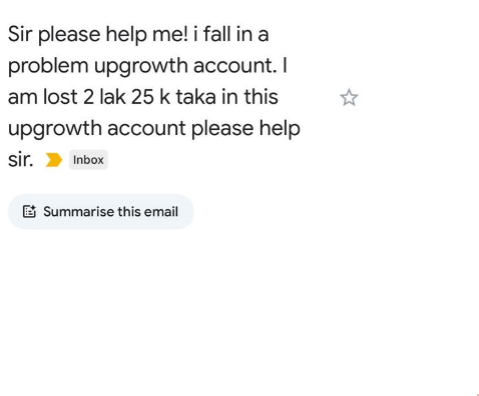
Distressed message from a victim who lost money to a scam account impersonating upGrowth.
How to Spot a Fake Website or Suspicious Communication
Scammers are becoming increasingly sophisticated in their efforts to impersonate legitimate businesses, but there are still clear signs that can help you identify fake websites or suspicious messages. Here’s what to look out for to protect yourself from falling victim to these impersonation scams:
1. Double-check the Website URL
Look for Small Variations: Scammers often create URLs that look similar to the official site but may include slight misspellings, extra characters, or unusual extensions (such as “.net” or “.org” instead of “.in”).
Official Domain Reminder: upGrowth’s only official website is https://upgrowth.in. Always verify the domain before interacting with any content or making any payments.
Screenshot of the fraudulent website impersonating upGrowth to mislead visitors.
2. Verify Website Security
Check for HTTPS: The official upGrowth website is secured with HTTPS encryption, visible as a padlock icon in your browser’s address bar. While HTTPS is not a foolproof sign of legitimacy, its absence is a major red flag.
Look for Secure Payment Portals: Be cautious if a website asks for payment through insecure or unfamiliar methods. upGrowth conducts all transactions through secure, trusted platforms.
3. Beware of Unsolicited Requests for Personal or Financial Information
High-Pressure Tactics: Scammers often create a sense of urgency, claiming you need to act fast to avoid missing out. upGrowth will never pressure you to make immediate payments or provide sensitive information.
Requests for Personal Information: Be cautious if you receive unexpected requests for details like your address, banking information, or login credentials. upGrowth will only request necessary information for official purposes and always through secure channels.
4. Check the Quality of Communication
Poor Grammar or Unprofessional Language: Emails or messages with excessive spelling and grammar mistakes, unprofessional language, or vague descriptions are often signs of a scam. upGrowth maintains a professional tone in all communications.
Generic Greetings and Lack of Personalisation: Fake communications may address you as “Customer” or use general language instead of your name. Authentic messages from upGrowth are usually personalised and relevant to your interactions with us.
5. Be Wary of Unverified Contact Methods
Suspicious Email Addresses: upGrowth’s official emails come from our “@upgrowth.in” domain. If you receive a message from an unfamiliar or generic email provider (like Gmail, Yahoo, etc.) claiming to represent upGrowth, it’s likely a scam.
Unfamiliar Phone Numbers or Messaging Apps: upGrowth does not conduct official business through personal WhatsApp accounts or unlisted phone numbers. If you’re contacted through these channels, verify with us directly using contact details from our website.
Stories from Scam Victims
In this section, we share screenshots of messages from individuals who have encountered the fake upGrowth website. These firsthand accounts highlight the personal impact of the scam, illustrating the emotional and financial toll on unsuspecting victims. By sharing these stories, we aim to further educate our community on the severity of the scam and emphasise the importance of vigilance.
What upGrowth is Doing to Combat This Fraud
At upGrowth, we take any misuse of our brand identity very seriously. The security and trust of our clients and partners are of utmost importance, and we are committed to taking swift, decisive action to prevent scammers from misleading our community. Here’s an overview of the steps we’re taking to address this issue:
Collaboration with Legal Authorities: upGrowth is actively working with legal professionals to investigate the fake website and pursue the individuals or groups responsible for this impersonation. Our legal team is exploring all possible avenues to hold these parties accountable.
Engaging Cybersecurity Experts: We have engaged cybersecurity experts to help identify and take down fraudulent sites. We are submitting takedown requests to relevant hosting providers and authorities to expedite the removal of these impersonating websites.
Enhanced Digital Security: To protect our online presence, we are implementing additional security measures on our official website to help prevent spoofing or cloning of our digital assets.
Strict Verification Protocols: upGrowth has updated its verification processes to ensure clients and partners can easily identify official communications. We have also reinforced internal protocols to protect sensitive client data from potential threats further.
Public Alerts on Social Media: We actively use our social media channels to warn clients and partners about this impersonation scam. We aim to prevent others from falling victim to similar fraudulent schemes by raising awareness across platforms.
Updates on Our Website: upGrowth has published alerts and guidance on our official website (https://upgrowth.in) to help visitors recognise and avoid fraudulent websites. This blog post is part of our commitment to transparency and community education.
Reporting Mechanisms: We have set up an easy way for anyone to report suspicious activity or fake sites. If you come across any website, message, or email that claims to be upGrowth but seems suspicious, please reach out to us directly via the contact information on our official website.
Engagement with Clients and Partners: upGrowth is proactively reaching out to clients and partners to ensure they are aware of this issue and know how to identify scams. We encourage everyone in our community to stay vigilant and report anything unusual.
Actions You Can Take to Protect Yourself and Others
Protecting yourself and helping others stay safe from scams is a shared responsibility. By staying vigilant and taking a few proactive steps, you can help prevent scammers from succeeding. Here are some simple actions you can take to protect yourself and those around you:
1. Always Verify URLs and Contact Information
Double-Check the Website: Before interacting with any website claiming to be upGrowth, confirm the URL is our official domain: https://upgrowth.in. Small variations in the URL are a common tactic scammers use to mislead people.
Verify Contact Details: If you receive a message, email, or call claiming to be from upGrowth, make sure the contact information matches what’s listed on our official website. upGrowth emails will only come from our “@upgrowth.in” domain; our contact numbers are listed on our official site.
2. Report Suspicious Activity Promptly
Notify upGrowth: If you come across any website, email, or social media account that seems suspicious or claims to represent upGrowth but feels off, please report it to us directly. You can reach out through the contact form on our official website or email us at [official email].
Report to Cyber Authorities: Sometimes, you may also consider reporting the suspicious site or communicating with your local cybercrime unit or online fraud reporting platform. This can help authorities take action against fraudulent entities.
3. Be Cautious with Personal and Financial Information
Avoid Sharing Sensitive Information: Legitimate businesses will never ask you to provide sensitive personal or financial information through unofficial or insecure channels. If you’re asked for banking details, passwords, or other private information, consider it a red flag and verify the request directly with us.
Don’t Rush: Scammers often create a sense of urgency, pressuring you to act quickly. Take your time to verify the source of any message, even if it seems urgent.
4. Share This Alert with Your Network
Help Raise Awareness: Share this information with your contacts to help prevent others from falling victim to similar scams. Post on social media, forward this blog post or discuss it with your colleagues and friends. The more people aware of this scam, the harder it becomes for scammers to succeed.
Encourage Vigilance: Remind others in your network to always verify sources and stay cautious of unsolicited messages or suspicious websites. This collective awareness strengthens our community’s defences against fraud.
Stay Alert: Protect Yourself from Recruitment Scams
As we combat fake website impersonations, it’s also critical to be aware of recruitment scams. upGrowth never solicits personal information or offers jobs via unsolicited calls or messages. Learn how to recognize and report such fraudulent activities on our Career Notice page. Stay vigilant and help us keep our community safe.
In Conclusion
At upGrowth, your trust and security are our top priorities. We are committed to combating fraudulent activities that misuse our brand and threaten our community. By staying vigilant, verifying all communications, and reporting anything suspicious, you play a crucial role in helping us fight these scams. Please remember to share this information with your network to raise awareness and protect others from falling victim.
Thank you for your ongoing trust and support. Together, we can create a safer, more secure environment for everyone connected to upGrowth. For any questions or to report suspicious activity, don’t hesitate to reach out to us through our official contact channels.
Watch: Important Alert on Fake upGrowth Website Scam
FAQs
1. How can I verify if a website or email is legitimately from upGrowth?
Always check that the URL is https://upgrowth.in for the official website. Emails from upGrowth will come from addresses ending in “@upgrowth.in.” If you’re unsure, reach out to us through the contact information listed on our website to verify authenticity.
2. What should I do if I have already interacted with the fraudulent website?
If you provided any personal or financial information on the fake site, contact your bank or relevant service provider immediately to secure your accounts. Additionally, report the incident to upGrowth and, if applicable, to your local cybercrime unit.
3. I received a message from someone claiming to be from upGrowth but using a personal email or messaging app. Is this a scam?
Yes, it could be a scam. upGrowth only communicates through official channels, and our emails come from “@upgrowth.in.” Be cautious if someone reaches out using a personal email address or social media profile, especially if they request sensitive information.
4. How can I report a suspicious website or email pretending to be upGrowth?
You can report any suspicious activity to us by contacting upGrowth directly through our official website’s contact page or by emailing [official email]. Your report will help us take action and protect others from similar scams.
5. Does upGrowth ask for any payments or personal information online?
upGrowth conducts secure transactions and will never ask for sensitive information or payments through unverified channels. If you’re ever asked to make a payment or provide personal information in a way that seems unusual, verify with us first.
6. What steps is upGrowth taking to prevent these scams from affecting clients?
upGrowth is actively working with legal and cybersecurity professionals to address fraudulent activities, including takedown requests for fake websites. We’re also conducting awareness campaigns to help clients recognise scams and protect themselves.
For Curious Minds
A brand impersonation scam involves fraudsters creating a counterfeit online presence to exploit a company's reputation and deceive its customers. For clients, recognizing this is crucial to avoid financial loss and data theft, as these fake sites are designed to appear legitimate while performing malicious actions. The primary danger lies in the scam's ability to erode trust and compromise sensitive information. To protect yourself, you must adopt a mindset of digital vigilance. Key tactics to watch for include:
URL Manipulation: The fraudulent site, https://upgrowth-user.com/, uses the company name but with an altered domain to trick users. Always verify the official URL is https://upgrowth.in.
Mimicked Branding: Scammers copy logos, color schemes, and website layouts to create a convincing but fake user experience.
Deceptive Requests: The site may ask for payments, personal details, or business data under the false pretense of providing services from upGrowth.
Understanding these methods is the first line of defense in safeguarding your digital and financial assets. Learn more about the specific warning signs detailed in our complete security alert.
This type of fraud directly attacks a company's reputation by creating negative experiences that are falsely associated with the legitimate brand. When victims lose money or data to a fake site, their trust in the real company, upGrowth, can be damaged, even though it is also a victim of the impersonation. The most immediate security risks for clients and partners are financial loss from fraudulent payments and data theft, where sensitive personal or business information is harvested for malicious use. Such incidents not only cause direct harm to individuals but also create an environment of uncertainty. Proactive verification of all digital touchpoints is essential to mitigate these risks. Staying informed about these threats helps protect both your interests and the integrity of the brands you trust. For a deeper analysis of how to secure your business accounts, see the full article.
While a professional design can make a fake website look convincing, it is not a reliable security indicator, as scammers are skilled at replication. Scrutinizing the URL is a far more definitive method for protection because the domain name is a unique identifier that is much harder to fake perfectly. A fraudulent site like https://upgrowth-user.com/ intentionally mimics the brand name but uses a different top-level domain or adds extra words. The official upGrowth website is exclusively https://upgrowth.in. Relying on URL verification as your primary check is a superior security practice. Other key differentiators to weigh include:
HTTPS Security: The official site will have a padlock icon, signifying HTTPS encryption. While some scam sites also have this, its absence is a major red flag.
Contact Information: Cross-reference any listed email addresses or phone numbers with those on the company's verified social media profiles.
Domain Age: A quick "whois" lookup can reveal that a fraudulent domain was registered very recently, unlike an established company's domain.
Focusing on these technical details over visual aesthetics provides a stronger defense. Discover more advanced verification techniques in our full security guide.
The upgrowth-user.com case highlights several classic red flags that signal a fraudulent website. These scams succeed by creating a sense of urgency or legitimacy, but telltale signs are almost always present for those who know what to look for. Victims of similar schemes frequently report losing money to fake service fees or having their personal data stolen for identity theft. An essential strategy is to always question unsolicited communications. Key indicators of a scam include:
URL Discrepancies: The most obvious red flag is a URL that is similar but not identical to the official one, like using "-user" or a different extension. The only official site is https://upgrowth.in.
Poor Grammar or Spelling: Despite a polished design, scam websites often contain subtle errors in their text.
Pressure Tactics: Messages demanding immediate payment or threatening account suspension are common tactics to rush you into making a mistake.
Unsecure Payment Requests: Demands for payment through untraceable methods like wire transfers or cryptocurrency are highly suspicious.
These warning signs are your best tool for avoiding harm. To see more real-world examples and protect yourself, read our detailed analysis.
Fraudsters use a multi-channel approach to direct traffic to counterfeit websites like https://upgrowth-user.com/. Common methods include unsolicited emails (phishing), direct messages on social media, and even fake online advertisements designed to rank for brand-related keywords. These communications often mimic the official branding of a company like upGrowth and may contain urgent calls to action, such as "verify your account" or "claim a special offer." It is vital to maintain a healthy skepticism because these messages are engineered to bypass your natural caution. The core strategy for staying safe is never clicking links in unsolicited messages. Instead, always navigate directly to the known, official website, https://upgrowth.in, by typing the address into your browser. This simple habit prevents you from being redirected to a malicious destination. Learn how to identify and report suspicious messages by reading our complete guide.
If you suspect you have encountered a fake website impersonating upGrowth, you must act swiftly to mitigate potential damage. A structured response is key to protecting your business and helping authorities take action against the fraudulent operators. Taking a calm and methodical approach will ensure you cover all necessary bases without creating further risk. Here is a clear, four-step plan to follow:
Step 1 - Disconnect Immediately: Do not enter any information. Close the browser tab and clear your browser's cache and cookies to remove any lingering scripts.
Step 2 - Scan Your System: Run a comprehensive antivirus and anti-malware scan on your computer to ensure no malicious software was downloaded.
Step 3 - Secure Your Accounts: If you entered any login credentials, immediately change the passwords for that account and any others that use the same password. Enable two-factor authentication for added security.
Step 4 - Report the Incident: Report the fraudulent URL (e.g., https://upgrowth-user.com/) to upGrowth directly through its official website, https://upgrowth.in, and to relevant authorities.
Following these steps helps contain the threat and contributes to a safer online environment. For more detailed reporting instructions, consult our full post.
The increasing sophistication of scams means that passive awareness is no longer sufficient. Businesses must transition to a strategy of proactive and continuous security education to stay ahead of evolving threats like the one impersonating upGrowth. This involves creating a culture where every employee is trained to critically evaluate digital communications and verify information before acting. Instead of a one-time warning, security should become an ongoing operational priority. Key long-term adjustments include:
Regular Employee Training: Implement recurring training sessions on identifying phishing, URL spoofing, and social engineering tactics.
Establish Verification Protocols: Create clear, internal rules for verifying any requests for payment or sensitive data that arrive via email.
Use Technology Wisely: Employ email filtering services, browser security extensions, and password managers to create layers of defense.
Adapting your security posture from reactive to proactive is essential for future resilience. Explore our full article for a roadmap on building a more secure digital framework for your company.
The most common mistake is acting too quickly due to a manufactured sense of urgency, leading people to click a malicious link without proper verification. Scammers exploit human psychology by creating messages that trigger fear or excitement, prompting an immediate, reflexive click. This single error can lead directly to a fraudulent site like https://upgrowth-user.com/. The most effective solution is to adopt the simple habit of independent navigation. Instead of clicking any link in an unexpected email or message, open a new browser window and manually type the official website address, https://upgrowth.in. This one habit breaks the chain of deception and ensures you are interacting with the legitimate company, not an imposter. It takes only a few extra seconds but provides a powerful layer of protection. To reinforce this and other safety habits, review the checklist in our complete security bulletin.
The official upGrowth website, https://upgrowth.in, uses HTTPS encryption, indicated by the "https://" and a padlock icon in your browser's address bar. This feature encrypts the data exchanged between your browser and the website, making it unreadable to third parties. Understanding this is vital because it protects your sensitive information, like login credentials and payment details, from being intercepted. While some scam sites may also use HTTPS to appear legitimate, its absence is a definitive warning sign that the site is not secure. A commitment to data encryption is a hallmark of a trustworthy online business. Always check for the padlock icon before providing any personal information. This small step is a fundamental component of safe browsing and helps you quickly disqualify many unsafe websites. For a more detailed explanation of website security certificates, explore the full post.
To support their fraudulent websites, scammers often create a surrounding ecosystem of fake content designed to damage the real brand's reputation and mislead victims. This can include posting fake negative reviews that falsely accuse the legitimate company, upGrowth, of fraudulent practices. These reviews aim to create confusion and make the scam seem like a plausible alternative. Other tactics include creating fake social media profiles that mimic the official brand or spreading misinformation in online forums. These efforts are part of a broader disinformation campaign intended to isolate the victim from authentic sources of information. By controlling the narrative, scammers make it harder for users to discover the truth until it is too late. Always seek information from official, verified channels like https://upgrowth.in. Learn more about identifying these secondary scam tactics in our in-depth article.
To stay safe online, it is effective to develop a consistent mental checklist for evaluating websites, particularly when personal information is requested. This routine helps build a strong defense against sophisticated scams. Adopting a mindset of zero-trust browsing means you verify first and trust second. Here is a simple three-step process to follow:
1. Check the Address Bar: Is the URL exactly correct? Look for misspellings or unusual extensions. For upGrowth, it must be https://upgrowth.in. Is the HTTPS padlock present?
2. Question the Request: Why is this website asking for this specific information? Is the request expected? An unsolicited request for your password is a major red flag.
3. Look for Corroboration: Can you verify the website's legitimacy through another trusted source? Check the company's official social media channels or perform a search for its official domain.
This quick, disciplined check can prevent the vast majority of security breaches originating from fraudulent websites. For more advanced safety tips, read our comprehensive guide.
AI-powered content generation is poised to significantly increase the threat of brand impersonation scams by making them easier to create and more believable. AI can generate flawless marketing copy, realistic images, and even entire websites like the one impersonating upGrowth at a massive scale, eliminating red flags like spelling errors. In response, consumers will need to adopt more robust, behavior-based verification methods. Instead of just looking at the content, you will need to focus on the origin of the communication. Future-proof habits should include:
Verifying all unexpected financial or data requests through an out-of-band channel, such as a phone call to a number listed on the official website.
Using password managers with auto-fill, which will only work on the legitimate URL (https://upgrowth.in) and not a spoofed one.
Becoming more reliant on official mobile apps and browser bookmarks for accessing important services.
The fight against scams is evolving, and so must our defensive strategies. Stay informed on emerging threats by following our security updates.
Amol has helped catalyse business growth with his strategic & data-driven methodologies. With a decade of experience in the field of marketing, he has donned multiple hats, from channel optimization, data analytics and creative brand positioning to growth engineering and sales.

 Growth Strategy and Planning