Contributors:
Amol Ghemud Published: August 14, 2018
Summary
In This Article
Share On:
5 Essential Strategies to Generate Pre-Launch Registration for Your SAS Startup
Have you ever wondered how some companies get so much business day in and day out?
Running a startup can be extreme; it’s a herculean task getting your idea approved. However, in the event that you’ve been in the trenches, it can be a long hard trudge to get those first clients utilizing your application or purchasing your product.
In here, the challenge is not to have the best opportunity, but to have a robust plan which will drive the strategy for a successful outcome. Therefore, developing effective pre-launch registration strategies for SAS startup are subject to envisioning desired objectives and sustainable growth plan with the help of in-depth industry and market assessment.
Now Let’s First Understand What SAS technology is?
Statistical Analysis System (SAS) is a cohesive system which enables you to deliver information and decision supports the technological architecture of your enterprise. Beginning with banner ads and pay per click mode, the recent advent of demand-side platforms to mobile and video ads; online adverting continues to evolve. Therefore, while Digital Marketing market is growing rapidly, SAS technology plays a vital role in analyzing the outcome of the entire pre-launch marketing activities utilized for a brand.
Want to use growth hacks to boost your event registrations?
Why Do We Need a Pre-Launch Strategy in the First Place?
Before we dive in further, let’s first understand that ultimately the entire purpose of a pre-launch is to laser-target a cluster of potential buyers for your product, service or a business opportunity and get them rolling your way.
Success can seldom accelerate growth once you are out there in the market. Primarily, ensure to align your pre-launch marketing activities in line with your target else you might just end up spending way more than you just acquire additional customers.
The entire game begins with the product itself. How does it really make a difference?
When you enter a new market, it strives for market penetration. The principal objective of the market infiltration technique is to launch a product and enter the market as swiftly as possible and reasonably be expected to capture a sizeable piece of the pie.
What you need to do is learn to not only create a good product but also market it like an expert? Here are a few fruitful strategies that will help generate pre-launch registration for your SAS startups.หนังออนไลน์ 24
Month by Month Strategy
1. Build a Pre-Launch Page
A landing page is the image of your product to the world outside. It can enable you to convey the correct message to the correct target audience.
As a rule, you ought to consider growth before you even launch your product. That is the reason; you ought to have a place where you can inspire clients to agree to accept special features, e.g., early access, exceptional offer, endowments, etc. A few quick wins for your landing page could be, having a clear value proposition, CTA (Calls to Action) in several places in your page; ideally, in the top right-hand corner or at the bottom of the page.สล็อตเว็บตรงสล็อตทดลองเล่นฟรี
Image Source
It is considered to be one among the most feasible modes of creating momentum for your product.
Some of the best pre-launch landing pages include Taasky or Aden Brook Home. Make sure your page clearly tells the purpose of the landing page.ดูหนังออนไลน์ 4kทดลองเล่นสล็อต
2. Run a Pre-Launch Campaign
Get people to know you! If you know your product is awesome, people are going to want the chance to win it. Transform early visitors into supporters of your product. When somebody visits your site, she can join a holdup list or a giveaway where she can get early access on the off chance that she refers her companions of the same need. On this demand, run a contest that influences virility and sharing.
Who wants an influx of users that don’t know what your product does? Let your product do the talking.
Let’s say, for instance, your pre-launch page can have a countdown that tells people when the product is about to launch. This will create a sense of urgency in their minds which will act as a great tool in creating a pre-launch buzz campaign to market your product.
You can further keep them engaged with email marketing by stirring conversations with powerful content. Running a pre-launch social media campaign is considered to be one among the most feasible modes of creating momentum for your product. On the other hand, email campaigns overshadow free pamphlets or cold calls since users always prefer continued correspondence when they sign up for it. This will enable you to captivate and retain the interest of your target audience.
Thanks to the viral nature of social media, when you share posts, consider boosting them. This will also help gather a bigger set of audience.
Here are a few pre-launch campaign examples that did wonders.
3. List Your Product on Betalist to Beta Test Your Offering!
Have you tried Product Hunt? Betatlist?
There are a few sites where you can uncover your startup and build backlinks. It’s important to get backlinks to your site and those that make a difference.
One of the most important strategies to set up a beta launch plan and initiate in list building. With the help of beta testing, your way gets swifter by every step you take.
In my opinion, the biggest advantage of a pre-launch strategy is that it allows you to catch hold of early adopters who would willingly beta test your product. This way you have plenty of honest customer feedback that enables you to make amendments to your product before it is officially launched.
Make it a point to capture their stories, review their performance, know what exactly do they need, etc. Additionally, these beta testers can become your brand ambassadors and offer them additional benefits. Dropbox plays a vibrant example to us all in this arena. They successfully tested a beta version of its service as part of its pre-launch strategy and won over 1 million users in its initial 7 months.
After all, customer acquisition is among the most significant strategies that fall undergrowth marketing.
It simply helps add virility to your product.สล็อต88สล็อตเว็บตรง
4. Do More Than Just Inspiring New Users
Reward-based tactics are popular mechanisms for running a successful pre-launch strategy. They get viral easily and also feasible financially. Let’s take an example of Evernote; the popular note-taking software. It runs a refer-a-friend program to reward users for inviting their friends. The program awards its users with successful user sign-ups and premium subscriptions that can be redeemed for increased storage space for free months.
Isn’t that an amazing way to understand what exactly your target audience wants?
That’s how you build relationships!
You can also consider, targeting magazines or reporters who are always on the run to look for new stories and sell yourself in order to create hype before launching as a part of your pre-launch marketing activities. *Reminder, never stop building or updating your list!ufabet911
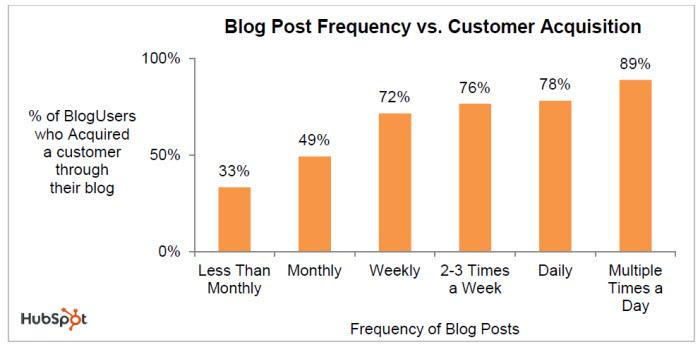
5. Write Blogs Often
This is what will give your product an unstoppable momentum. Your pre-launch marketing must include some blogs, infographics, SEO articles so that your target audience can easily find you online. Using target keywords, quality content, linking out to other industry influencers to improve your blog’s search rankings, also helps provide more visibility. Contemplate using Google Adwords Keyword Planner to help determine the keywords you want to rank for.
Image Source
In the event that you need to impart insights and to delight your clients with experiences of your application, a blog is all you require. Furthermore, best of all, you don’t need to be a specialist to write one.ยักษ์888
Don’t forget; your primary purpose is to provide matter that your customers want and need. The simple secret to success is to craft the type of content that will help your visitors report their challenges for free.
When you share a new piece of content, immediately share it on the social media networks that you’ve set up for your new startup.
Therefore, let the words flow!
Want to use growth hacks to boost your event registrations? One last thought!
While there are many strategies to generate pre-launch registration for your startup, a strategic plan as mentioned above can help gain the best results.
Make sure you track everything. Analyze where your traffic comes from and what is it that your target audience likes; then do more of those. Track your progress on a monthly base, and that’s how you will understand where you stand.
Not to forget, this way you land & expand; after all, it’s all about the conversion after the pre-launch!
Watch: 5 Strategies to Drive Pre-Launch Signups for Your SAS Startup
The primary purpose of a pre-launch is to meticulously target and engage a core group of potential buyers, creating momentum before your product is even available. This initial phase is not just about list-building; it is about de-risking your launch by validating your value proposition with a real audience.
A robust pre-launch strategy focuses on several key objectives to ensure you capture a sizeable piece of the pie from day one. These include:
Validating the Product-Market Fit: Confirming that your solution resonates with the intended audience.
Building an Initial User Base: Securing early adopters who can become your first case studies and advocates.
Refining Marketing Channels: Identifying which channels deliver the most qualified and engaged sign-ups.
Creating Scarcity and Hype: Using waitlists and early access offers to build anticipation.
By aligning these activities, you transform a cold launch into a well-orchestrated market entry. You can learn more about crafting this foundational plan within the full guide.
SAS technology provides a cohesive system for analyzing the performance of all pre-launch marketing activities, turning raw data into actionable insights for decision support. It moves beyond simple metrics like sign-ups to understand the 'why' behind user behavior, which is essential for optimizing spend.
For a startup, this analytical power is crucial for making informed adjustments before committing a larger budget. It helps you assess which messages resonate most deeply and which channels deliver the highest quality leads. For example, by analyzing data from a pre-launch campaign, you can determine if sign-ups from a pay-per-click ad are more likely to engage than those from a banner ad. This allows you to laser-target your resources effectively, ensuring your official launch is built on a foundation of proven tactics. Explore the full article to see how this analytical approach underpins a successful launch.
Choosing between a discount and early access depends entirely on the type of user you want to attract and the story you want to tell about your product. A limited-time discount primarily appeals to price-sensitive users and can generate a high volume of sign-ups, while exclusive early access attracts innovators and enthusiasts who value being first.
To make the right choice, consider these factors:
Product Complexity: For a complex tool, early access for feedback is more valuable than a discount.
Target Audience Motivation: Are your users driven by saving money or by gaining a competitive edge with new technology?
Brand Positioning:Exclusivity builds a premium perception, while a discount can anchor your product's value lower from the start.
Companies like Taasky succeeded by having a clear value proposition, a principle that should guide your incentive choice. The full text offers more on aligning your offer with your strategic goals.
Effective pre-launch pages like those from Taasky or Aden Brook Home succeed by focusing on clarity and a single, compelling action. They avoid overwhelming visitors with features and instead concentrate on conveying a powerful core message that inspires immediate interest and encourages sign-ups.
A SAS startup can replicate this success by implementing a few key elements:
A Clear Value Proposition: A concise headline that immediately answers, “How does this make my life better?”
Visually Prominent Calls to Action (CTAs): Placing buttons with clear text like “Get Early Access” in the top right-hand corner and at the bottom of the page.
Minimalist Design: Removing all distractions and focusing the user’s entire attention on the purpose of the page, which is to sign up.
The goal is to transform early visitors into supporters by making the sign-up process effortless and the reward clear. Discover more tactical design tips for your landing page in the complete article.
The key to attracting a relevant audience with a viral contest is to make the product itself the hero of the campaign. Instead of offering a generic prize, structure the giveaway so the reward is deeply tied to your product's value, which naturally filters out those with no genuine interest.
To achieve this, let your product do the talking through a well-designed contest. Consider making the grand prize a lifetime subscription or an extended premium trial. Furthermore, you can qualify participants by requiring them to answer a simple question about what your product does or whom it serves. This ensures that only people who have read your value proposition and understand its purpose will enter, creating a holdup list of educated, high-intent future customers. The full post explains how to balance virality with quality audience building.
Pre-launch registration data is a powerful tool for sharpening your go-to-market strategy and maximizing impact on day one. By analyzing early sign-ups, you can move beyond assumptions and base your launch plan on tangible evidence of what resonates with your most promising customers.
This data allows you to make informed decisions before you launch, rather than course-correcting afterward. Key actions include:
Segmenting Your Audience: Identify which user personas (e.g., by industry, role, or company size) are most represented in your sign-up list.
Optimizing Channel Spend: Analyze referral sources to see which channels (e.g., social media, direct referrals, content marketing) delivered the most engaged users.
Refining Your Messaging: Use survey responses or sign-up form data to understand the primary pain points of your early adopters and tailor your launch messaging accordingly.
This data-driven approach ensures your launch capitalizes on proven momentum. Discover more ways to leverage this data in the full strategy guide.
Building an effective pre-launch page is the first tangible step toward generating momentum. It serves as the digital storefront for your future product, so its message and structure must be precise and action-oriented from the very beginning.
Here is a three-step plan to get started: 1. Craft a Clear Value Proposition: Before you design anything, write a single, compelling sentence that clearly states the problem you solve and for whom. This becomes your main headline and guiding message. 2. Design for a Single Action: Create a simple, uncluttered layout. The page should have one goal: getting the visitor to sign up. Remove any unnecessary links, text, or images that could distract from the call to action. 3. Strategically Place Your Calls to Action (CTAs): Place your sign-up form and buttons prominently. Best practices include having a CTA in the top right-hand corner and another at the bottom of the page to capture interest at multiple points. Read the complete guide for more advanced techniques.
A successful referral campaign transforms passive interest into active promotion by rewarding users for sharing. The structure should be simple to understand and participate in, making advocacy feel like a natural and beneficial action for your earliest supporters.
To build a campaign that encourages virality, implement these mechanics:
Tiered Reward System: Motivate users by offering escalating rewards. For example, refer three friends for early access, and refer ten for a free month of service post-launch.
Unique, Shareable Links: Provide each user with a personal referral link that is easy to copy and share on social media or via email.
Gamified Leaderboard: Create a public leaderboard showing the top referrers. This introduces a competitive element that can significantly boost sharing.
This approach influences virility and sharing by making advocates partners in your launch. The full article details how to execute this strategy for maximum impact.
As digital marketing becomes more complex, the role of SAS technology in pre-launch analysis will shift from measuring simple outcomes to predicting them. It will become a crucial tool for integrating diverse data sets to build sophisticated models of potential customer behavior before a single dollar is spent on a full-scale launch.
Startups should adjust their strategy over time by prioritizing new data sources beyond basic ad performance. Focus on gathering and analyzing:
Intent Data: Signals from prospects actively researching solutions like yours.
Engagement Metrics: Time spent on the landing page or interaction with a product demo video.
Qualitative Feedback: Insights from short surveys presented to new sign-ups.
This forward-looking analytical approach will allow you to anticipate market needs rather than just reacting to them. Explore how to build this capability in our detailed guide.
The most common failure is a vague value proposition that focuses on product features instead of customer outcomes. Startups often get lost in what their product does, forgetting to clearly state the problem it solves, which results in a landing page that attracts clicks but not committed sign-ups.
The solution is to rigorously align your pre-launch marketing activities in line with your target audience’s needs. This requires a shift from a product-centric to a customer-centric message. Instead of listing features, your headline should immediately communicate a tangible benefit. For example, instead of “Our platform uses AI,” try “Save 10 hours a week on reporting.” This direct, benefit-driven approach ensures you connect with visitors on an emotional level, motivating them to join your waitlist. The complete article provides a framework for crafting this message.
To prevent an influx of confused users, you must let your product do the talking through clear, concise, and educational pre-launch content. The goal is to pre-qualify interest by ensuring visitors understand the core value before they even consider signing up.
Instead of relying on marketing jargon, use your pre-launch assets to demonstrate value directly. A highly effective landing page should include a short (under 60 seconds) video demonstrating the product in action or an animated GIF showcasing its main benefit. Furthermore, a simple “how it works” section with three to four steps can clarify the process. This approach ensures that when someone signs up, they are not just curious, they are informed and genuinely interested in your solution. The full article explores more ways to educate your pre-launch audience.
Amol has helped catalyse business growth with his strategic & data-driven methodologies. With a decade of experience in the field of marketing, he has donned multiple hats, from channel optimization, data analytics and creative brand positioning to growth engineering and sales.

 Growth Strategy and Planning
 Inbound Growth
 Growth Hacking
 Fractional CMO
 Search Engine Optimization
 Paid and Performance Marketing
 Social Media Marketing
 Demand Generation
 AI-Driven Growth Strategy
 AI-Native Workflow Automation
 Generative Engine Optimization
 Grove — AI Growth Strategist

 AI Automation
 Framework
 Case Study
 Tools
Tools Growth Tools
 Decision Tree
 Compare
 Custom GPT's
 Guides
 Offer
Offer Webstories
 Quizzes
 Blog
Blog AI-powered Apps
 Social Media Tools
 Agency Fit Score